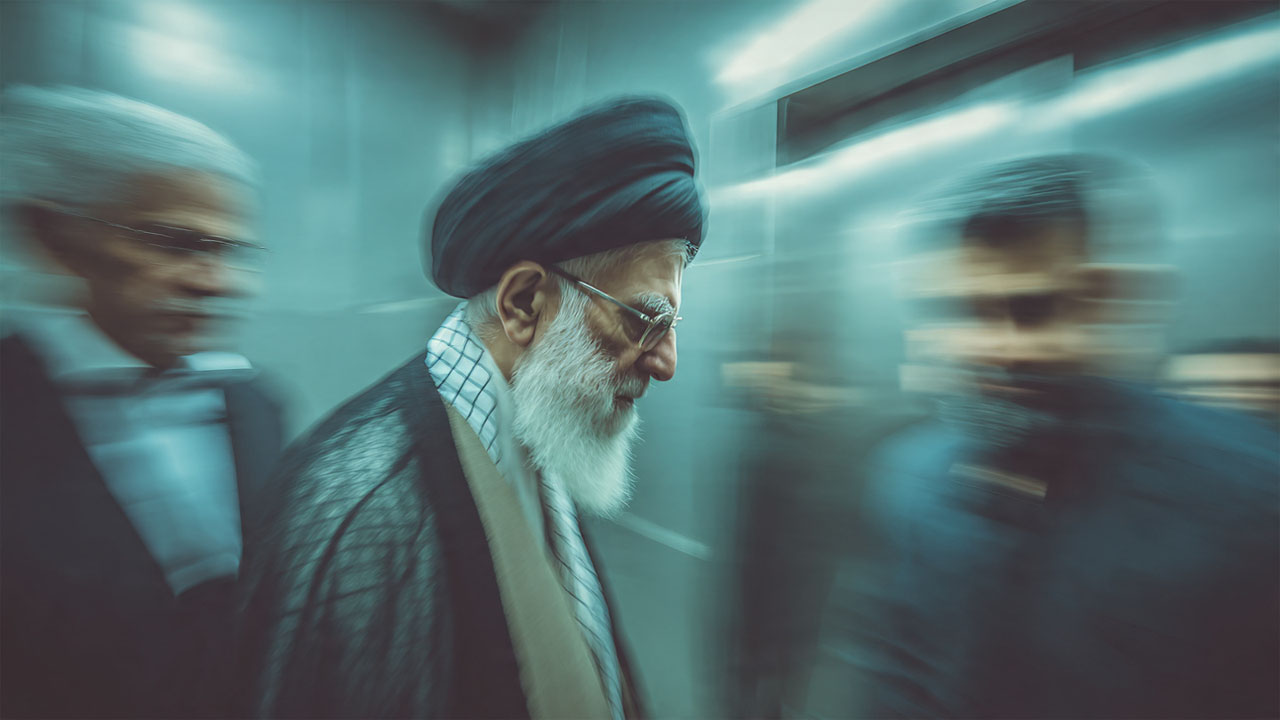
Iran is going through one of the most important political transitions in its modern history. After the death of Ali Khamenei, the country has not yet announced a permanent successor. Instead, the constitutional process for leadership transition has been activated, and an interim arrangement is currently in place.
At this moment, no final decision has been made. However, several powerful names are being discussed within Iran’s political and religious establishment.
What Is Happening in Iran Right Now
Following Khamenei’s death, Iran’s constitution triggered the formation of a temporary ruling body known as the Interim Leadership Council. This council is responsible for carrying out the duties of the Supreme Leader until a permanent replacement is selected.
The council currently includes:
- Masoud Pezeshkian, President of Iran
- Gholam-Hossein Mohseni-Ejei, Head of the Judiciary
- Alireza Arafi, Senior cleric and member of key religious institutions
Their role is to maintain political stability and ensure continuity of governance during this sensitive transition period.
Who Selects the Next Supreme Leader
The authority to appoint the new Supreme Leader lies with the Assembly of Experts. This is an 88-member body of senior Shia clerics elected to oversee and, if necessary, replace the Supreme Leader.
The voting process is conducted internally and confidentially. The Assembly evaluates religious credentials, political influence, and the candidate’s ability to maintain regime stability before making a decision.
There is no fixed public deadline, but the expectation is that the selection could take place sometime in 2026.
Leading Candidates in the Succession Race
Although no official nominations have been announced, analysts and political observers have identified a few frontrunners.
Mojtaba Khamenei
Mojtaba Khamenei is widely discussed as a strong contender. As the son of the late Supreme Leader, he has longstanding connections within Iran’s security establishment, including close ties to the Islamic Revolutionary Guard Corps.
Supporters argue that his influence behind the scenes makes him a continuity candidate. However, critics note that Iran officially rejects hereditary leadership, and his appointment could trigger internal backlash.
Alireza Arafi
Already part of the interim leadership structure, Alireza Arafi is considered a serious possibility. He holds positions within influential clerical bodies and is viewed as trusted by conservative religious circles.
Because he is currently involved in managing the transition, some analysts believe he could emerge as either a permanent choice or an extended interim authority.
Hassan Khomeini
Hassan Khomeini, grandson of Iran’s founding leader Ruhollah Khomeini, is sometimes mentioned as a compromise candidate. He is seen as more moderate compared to hardline figures.
His background could help calm public tensions, but his reformist image may make conservative factions cautious.
Mohammad Mehdi Mirbagheri
Mohammad Mehdi Mirbagheri is known for his strong ideological stance and backing from conservative religious networks. While less internationally discussed, he holds influence within hardline circles.
Why This Decision Is So Important
The Supreme Leader is the most powerful authority in Iran’s political system. The role includes control over:
- The military and the IRGC
- Nuclear policy
- Foreign affairs
- The judiciary
- State broadcasting and media
This means the choice of successor will directly shape Iran’s domestic direction and its stance in regional and global affairs.
Possible Outcomes
Based on current analysis, three broad scenarios appear realistic.
First, a hardline continuity model in which Mojtaba Khamenei or Alireza Arafi is selected to preserve the existing power structure.
Second, a stability-focused compromise in which Hassan Khomeini emerges as a consensus figure.
Third, a prolonged interim or collective leadership arrangement if internal or regional tensions make immediate appointment difficult.
For now, Iran remains under temporary leadership. The final decision rests with the Assembly of Experts, and until their vote takes place, the question of who will become Iran’s next Supreme Leader remains officially unanswered.